


The Difference Between Being Unhappy and Being Unhappy Enough

The idea of becoming a digital nomad is often presented as an exciting lifestyle choice. Social media feeds are filled with images of laptops overlooking beaches, coffee shops in historic European cities, and professionals working from almost anywhere in the world. Looking at those images, it is easy to assume that digital nomads are simply adventurous people chasing a lifelong dream of travel and freedom.
In reality, many major life changes begin somewhere much less glamorous. They begin with discomfort. Not necessarily the kind of discomfort that forces immediate action, but the quieter kind that follows you through ordinary days. It appears when Sunday evenings feel heavier than they should. It appears when another year passes and you realize very little has changed. It appears when you know your life is functional, yet something about it no longer feels aligned with who you are becoming.
Many people spend years in this state. They are not truly happy, but they are not unhappy enough to act. Their job is acceptable. Their income covers their expenses. Their routines are predictable. From the outside, everything looks stable. Yet beneath that stability is a growing awareness that they are simply tolerating a life they no longer find meaningful.
The challenge is that moderate dissatisfaction rarely creates urgency. Extreme unhappiness often forces people to make difficult decisions. Moderate unhappiness allows them to postpone those decisions indefinitely.
Why Comfort Can Become a Trap

Comfort is usually presented as something desirable, and in many situations it is. Financial stability, predictable routines, and familiar environments provide a sense of security that most people value. However, comfort can also become a trap when it removes the motivation to examine whether our lives are actually moving in a direction we want.
Many professionals complain about their jobs for years without ever considering a meaningful change. They talk about difficult managers, limited growth opportunities, long commutes, and lack of flexibility. Yet every morning they continue following the same routine. The issue is not that they are incapable of change. The issue is that their dissatisfaction has not yet exceeded their tolerance.
Human beings are remarkably adaptable. We can normalize situations that do not serve us simply because they are familiar. Over time, frustration becomes routine and routine becomes identity. What began as a temporary compromise slowly transforms into a permanent lifestyle.
This is why some of the biggest life changes happen when people finally reach a point where continuing feels more uncomfortable than changing. The decision itself may appear sudden to outsiders, but it is often the result of years of accumulated dissatisfaction.
Complaints Are Often More Valuable Than We Think

Complaining is frequently portrayed as a negative habit, but complaints can provide valuable information if we pay attention to them. The things we repeatedly complain about often reveal what matters most to us.
Someone who constantly complains about their schedule may actually be seeking flexibility. Someone who complains about their salary may be searching for recognition, ownership, or a stronger sense of impact. Someone who complains about a lack of opportunities may be expressing a desire for growth rather than a desire for a different employer.
The problem is not complaining. The problem is allowing complaints to remain complaints.
One useful approach is to transform complaints into questions. Instead of saying, “Nobody appreciates my work,” it may be more productive to ask, “Where could my skills create more value?” Instead of saying, “I never have enough freedom,” a better question might be, “What changes would allow me to create more freedom in my life?”
Questions create movement because they encourage exploration. Complaints alone rarely do.
Why Digital Nomad Life Appeals to So Many People
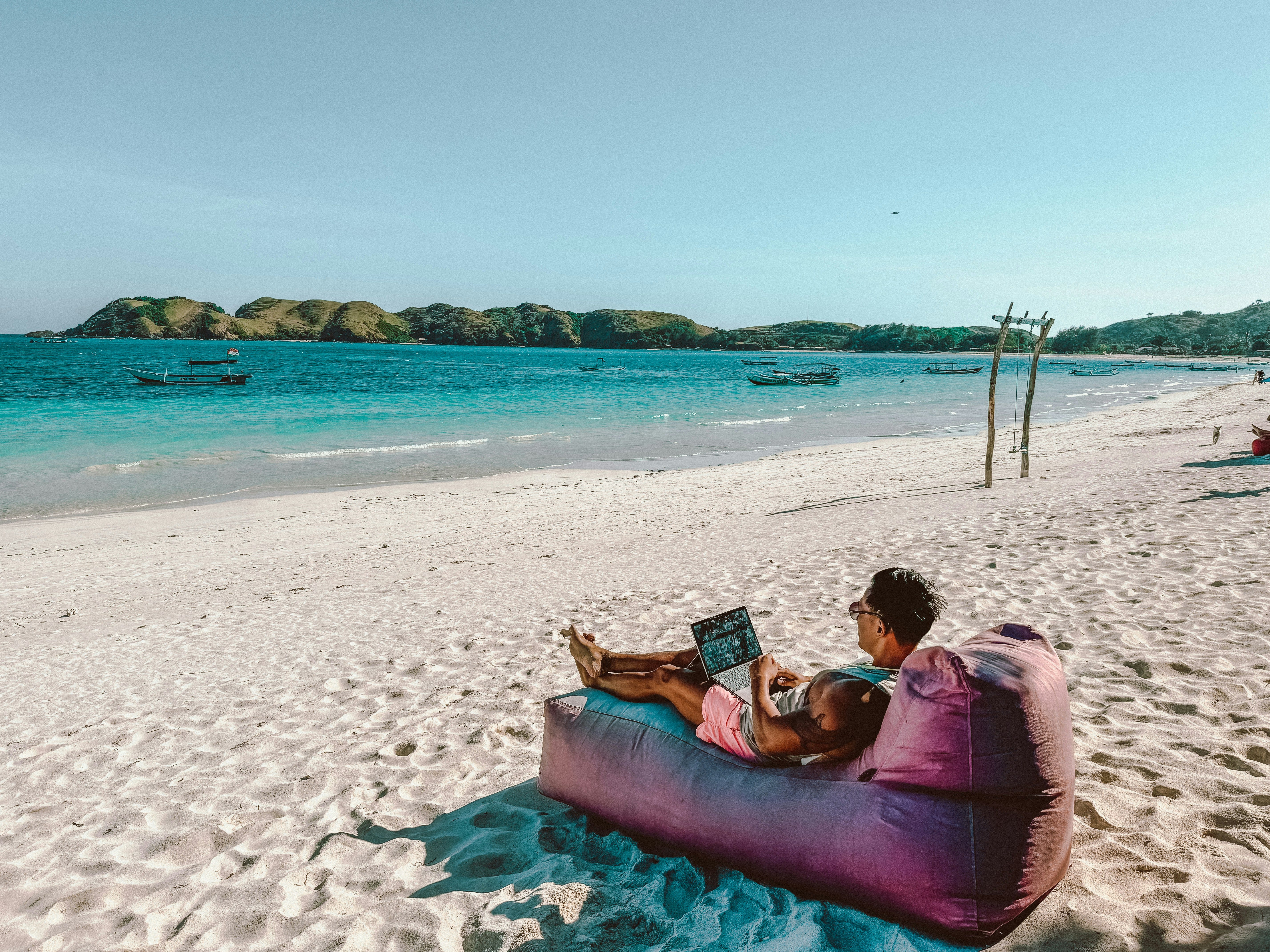
The growing popularity of digital nomadism is not really about travel. Travel is simply the visible part of a much larger story. What attracts many people to the lifestyle is the possibility of greater control over their lives.
For professionals who feel constrained by traditional work structures, the idea of location independence can represent flexibility, autonomy, and choice. It offers the possibility of deciding where to live, how to structure a workday, and what role work should play within a broader vision for life.
For some people, this feels liberating because it challenges assumptions they have carried for years. Many were taught that success requires remaining in one location, working within traditional systems, and following predictable career paths. The digital nomad movement demonstrates that alternative models exist.
However, this does not mean digital nomadism is easy. It simply means that for certain people, the challenges of change feel more appealing than the discomfort of staying the same.
Becoming a Digital Nomad Means Rebuilding Your Life
One of the most overlooked realities of becoming a digital nomad is that the transition affects far more than geography. Moving to another country does not simply change your address. It often changes your routines, support systems, relationships, habits, and expectations simultaneously.
Many people discover that they are rebuilding multiple areas of life at the same time. They may need to learn how to find clients in new ways, navigate unfamiliar legal systems, understand cultural differences, and create routines without the structure they previously relied upon. Even simple tasks such as banking, healthcare, or finding housing can require more effort than expected.
This is one reason the digital nomad lifestyle can be both exciting and exhausting. The opportunity for growth is enormous, but growth rarely occurs without uncertainty. Every new city, country, and experience presents opportunities to learn, adapt, and develop new skills.
For some people, this process becomes one of the most rewarding experiences of their lives. For others, it reveals how much they valued the stability they left behind.
Why Networking Becomes More Important Than Ever
One lesson many digital nomads learn quickly is that relationships become increasingly important when familiar systems disappear. Leaving your home city often means leaving behind years of accumulated connections. Friends who make introductions, former colleagues who recommend opportunities, and professional networks that took years to build are no longer easily accessible.
As a result, networking becomes less of a professional activity and more of a survival skill. New friendships can help you navigate a city. Professional relationships can lead to clients, projects, and partnerships. Communities can provide support during periods of uncertainty.
This is one reason coworking spaces, startup communities, industry events, and local meetups play such a significant role in the digital nomad ecosystem. These environments allow people to build relationships that often become valuable both personally and professionally.
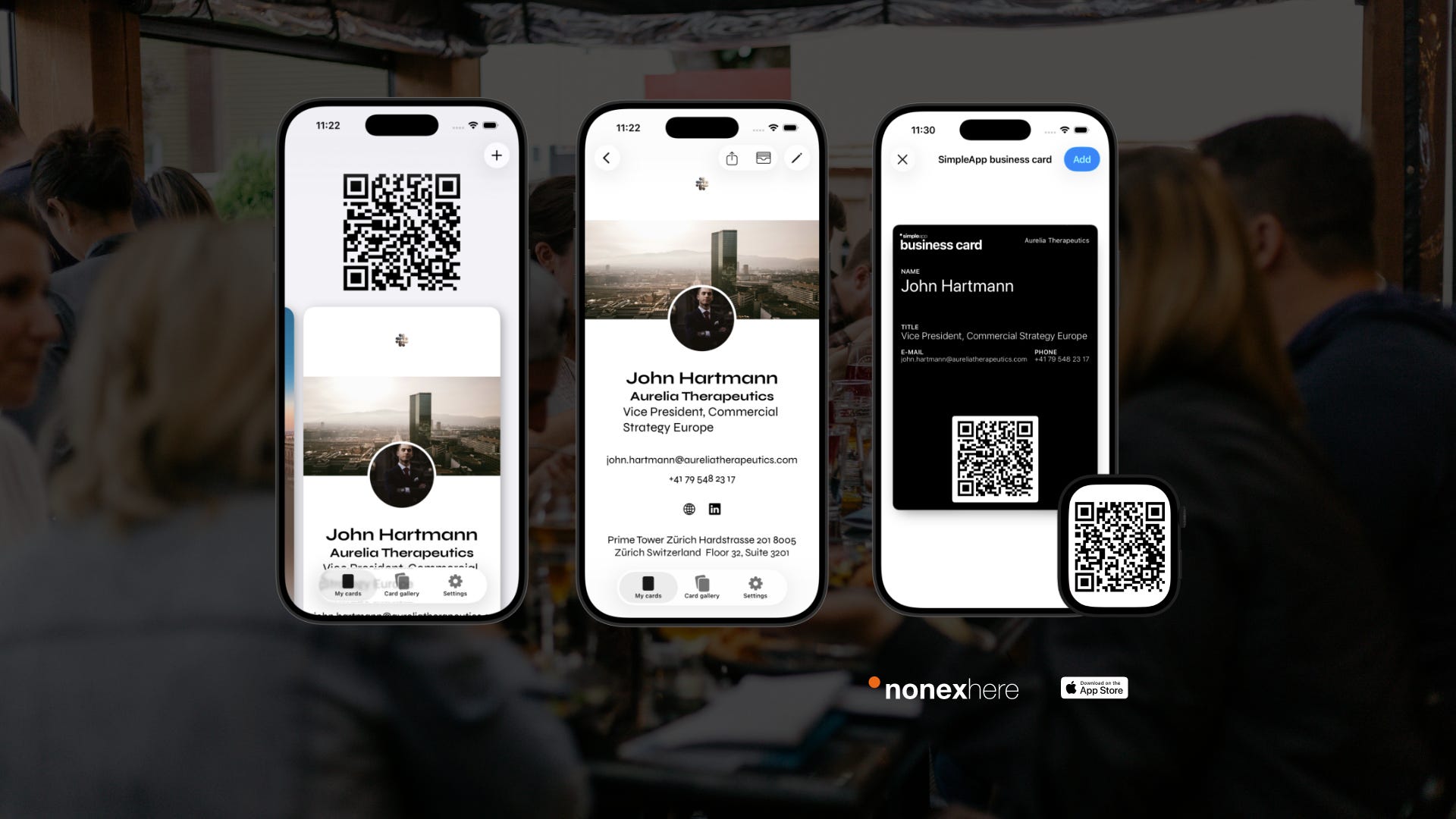
When networking becomes a regular part of life, sharing contact information efficiently also becomes important. Many location-independent professionals are replacing traditional paper cards with digital business cards that can be updated instantly and shared through QR codes, links, or Apple Wallet. One solution designed specifically for this type of modern networking is Digital Business Card SA, which allows professionals to create customizable digital business cards, share them instantly, save them to Apple Wallet, and manage multiple cards for different roles or projects. The technology itself is not what matters most. What matters is making it easier for meaningful conversations to continue after the initial introduction and ensuring that new connections can reach you long after the meeting ends.
The Reality Social Media Rarely Shows
Social media has contributed significantly to the popularity of digital nomadism, but it has also created unrealistic expectations. Most content focuses on highlights because highlights are what people naturally choose to share.
The reality is that digital nomad life includes challenges that rarely appear in photographs. Loneliness can become a genuine issue, especially during the first months of living in a new country. Building friendships repeatedly requires energy. Maintaining relationships across multiple time zones can be difficult. Financial stability may fluctuate, particularly for freelancers and entrepreneurs.
There are also practical challenges that many people underestimate. Visa requirements change. Administrative processes vary between countries. Healthcare systems operate differently. Tax obligations can become more complicated. Even finding reliable internet can occasionally become a concern depending on location.
None of these challenges make digital nomad life a bad choice. They simply remind us that every lifestyle includes trade-offs. Understanding those trade-offs is essential before making significant decisions.
Before You Decide to Change Everything
One of the most important questions anyone can ask before becoming a digital nomad has very little to do with travel. The question is whether location is actually the problem.
Many people assume that moving somewhere new will automatically improve their lives. Sometimes it does. However, dissatisfaction is often more complex than geography. A different country cannot create purpose if meaningful work is missing. A beach cannot solve burnout. Greater flexibility cannot automatically provide direction.
This is why clarity matters. Before changing countries, careers, or lifestyles, it is worth identifying the real source of frustration. Understanding what is causing dissatisfaction makes it much easier to determine whether digital nomadism is the right solution or whether another type of change would be more effective.
The goal should never be to copy someone else’s life. The goal should be to create a life that aligns with your own values, priorities, and definition of success.
Final Thoughts
The decision to become a digital nomad is often portrayed as a dramatic leap into a completely different life. In reality, it is usually the result of a much longer process. It begins when people stop ignoring the gap between the life they have and the life they want. It begins when recurring frustrations become impossible to dismiss. It begins when tolerating no longer feels easier than changing.
Not everyone needs to become a digital nomad. For some people, the right answer will be a different job, a different city, a different business, or a different perspective. The larger lesson is not about location independence. It is about recognizing when a life that once fit no longer does.
The most meaningful changes often begin when we stop asking whether change is possible and start asking what we have been tolerating for too long. Once that question is answered honestly, the next step usually becomes much easier to see. Whether that step leads across the world or simply in a new direction, it has the potential to create a life that feels far more intentional than the one we are leaving behind.