


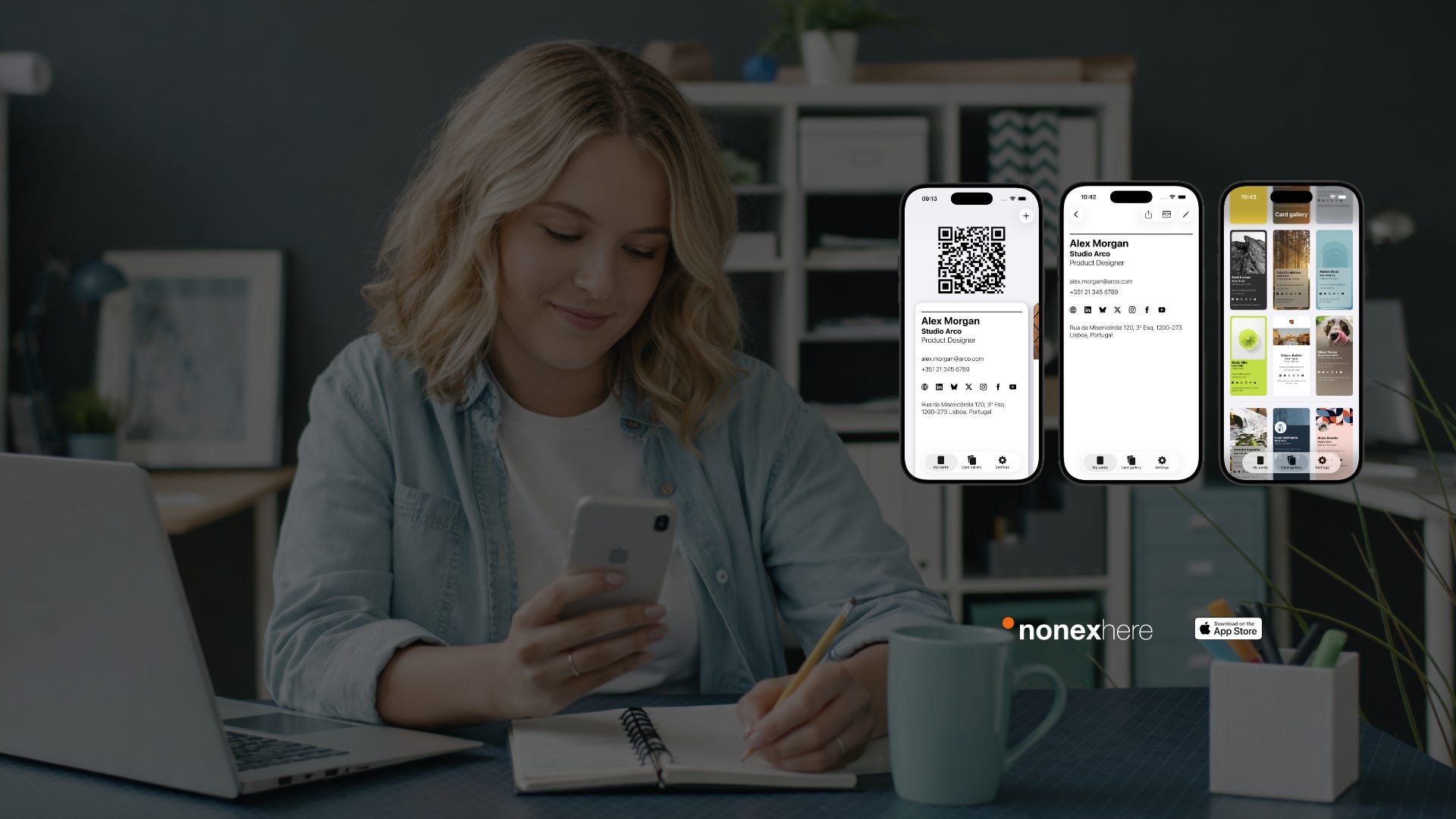
The way professionals share their contact information is evolving rapidly. Traditional business cards are being replaced by more flexible, dynamic alternatives that align with how we work today. The digital business card has emerged as a practical solution for modern networking, enabling instant contact sharing, real-time updates, and global accessibility.
But as adoption grows, so do the questions. What exactly is a digital business card? How does a QR business card work? Is a business card app really better than traditional business cards? And which tools should you use?
In this guide, we answer the most common questions professionals have about digital business cards, helping you understand how they work and how to use them effectively in your daily workflow.
What is a Digital Business Card and how does it work?
A digital business card is a modern version of a traditional business card that allows you to share your contact information digitally instead of handing over a physical card. It can include your name, job title, phone number, email, social media links, portfolio, and even booking links, all accessible through a single interface.
Unlike traditional business cards, a digital card is dynamic. It can be shared through a link, a QR business card, or even NFC technology. When someone scans your QR card or clicks your link, they instantly access your full profile. This makes contact sharing significantly faster and more reliable.
Many digital business cards are built using a digital business card maker or a business card app, allowing users to customize their layout and information. Some platforms also support vCard (vcard) downloads, which let recipients save your details directly to their phone contacts.
In essence, a digital business card transforms static information into an interactive experience. Instead of passing a piece of paper, you are sharing a live, updatable profile that represents your professional identity in a more flexible way.
If you’re looking for a simpler explanation of how digital business card apps work and why they’re becoming essential, you can read our guide on digital business card apps.
How is a QR Business Card different from a traditional business card?
A QR business card is one of the most common formats of a digital business card. The key difference lies in how information is shared and stored.
Traditional business cards rely on manual input. After receiving a card, the recipient must type the contact details into their phone, which often leads to errors or lost information. In contrast, a QR card allows instant contact sharing by simply scanning a code.
When scanned, a QR business card can open an online business card, display a profile, or offer a downloadable contact card. This eliminates friction and ensures accuracy. It also removes the dependency on physical materials, making it more sustainable.
Another advantage is flexibility. A printed business card cannot be changed once it is produced. A QR-based digital card, however, can be updated at any time. Your contact details, job title, or links can evolve without requiring reprints.
This shift from static to dynamic sharing is what makes QR business cards especially relevant in today’s mobile-first world. They are not just a replacement for paper, but an upgrade to how professional information is exchanged.
What are the benefits of using a digital business card?
The primary advantage of a digital business card is flexibility. Unlike traditional business cards, digital cards can be updated instantly. This ensures that your information is always current, which is critical in fast-changing professional environments.
Another key benefit is efficiency. Digital cards simplify professional contact sharing by allowing you to share all your information through a single tap or scan. Whether you are using a business card app or an online business card, the process becomes seamless.
Digital business cards also enhance profile sharing. Instead of sharing just a phone number or email, you can present your full professional identity, including portfolios, social links, and business offerings.
From a sustainability perspective, digital cards eliminate paper waste. This makes them an environmentally friendly alternative to traditional printing.
Finally, they improve organization. Because digital cards can be saved directly as a contact card or vCard, recipients are less likely to lose your information. Everything is stored in one place, making follow-ups easier and more reliable.
Are digital business cards better than traditional business cards?
Whether a digital business card is better depends on how you work, but in most modern scenarios, they offer clear advantages.
Traditional business cards still hold value in certain formal settings. However, they are limited by their physical nature. They can be lost, damaged, or forgotten, and updating them requires reprinting.
This is also where having a simple and reliable digital business card tool can make a noticeable difference. Some professionals prefer lightweight apps like Digital Business Card SA to keep their contact sharing fast, minimal, and always up to date, especially in fast-paced networking environments.
A virtual business card or electronic business card removes these limitations. It allows instant contact sharing, global accessibility, and continuous updates. This makes it particularly useful for freelancers, remote workers, and digital nomads.
Digital cards also support richer communication. A digital card can include multimedia elements, clickable links, and interactive features that a printed card simply cannot provide.
That said, some professionals still prefer hybrid approaches. They might use physical business cards alongside a QR code that links to their digital profile. This bridges traditional expectations with modern functionality.
Overall, digital business cards are not just replacing paper cards; they are redefining how professional identity is shared.
What should you include in a digital business card?
A well-designed digital business card should include essential information while remaining clear and easy to navigate.
At a minimum, your card should contain your name, job title, company (if applicable), phone number, and email. Beyond that, a strong online business card often includes links to your website, LinkedIn profile, portfolio, or booking page.
The goal is to make contact sharing effortless. Every element should serve a purpose and help the recipient understand who you are and how to reach you.
Some professionals also include short descriptions or taglines to clarify what they do. This is especially useful for freelancers or consultants who offer specific services.
If you are using a business card maker or digital business card maker, focus on clarity rather than complexity. Avoid overcrowding the card with too much information. Instead, prioritize structure and readability.
A digital business card should feel like a clean, well-organized extension of your professional identity, not a cluttered collection of links.
How do you choose the best digital business card app?
Choosing the right business card app depends on your workflow and professional needs.
Some users prioritize simplicity and look for a lightweight digital business card maker that allows quick setup and easy sharing. Others require advanced features such as multiple cards, team management, or integration with CRM systems.
A good digital card solution should support flexible profile sharing, fast QR code generation, and reliable performance across devices. It should also allow you to update your information easily.
Free tools, including a free business card maker, can be a good starting point. However, as your networking needs grow, you may require more customization and scalability.
It is also important to consider how you plan to share business card details. If you frequently attend events, a QR-based solution may be ideal. If most of your work is online, link-based sharing might be more relevant.
Ultimately, the best digital business card app is the one that fits seamlessly into your daily routine and enhances how you connect with others.
Can digital business cards replace physical cards completely?
In many cases, yes, but not always.
For digital-first professionals, such as freelancers, consultants, and remote workers, digital business cards can fully replace physical cards. They offer more flexibility, better contact sharing, and easier updates.
However, certain industries and environments still rely on traditional practices. In these cases, a hybrid approach can be effective. For example, a printed business card can include a QR business card element that links to a digital profile.
This approach allows professionals to maintain traditional etiquette while benefiting from modern tools.
Over time, as more people become comfortable with digital interactions, the reliance on physical cards is likely to decrease. The convenience of a virtual business card or ebusiness card is difficult to ignore.
Rather than a complete replacement, the shift is gradual. Digital business cards are becoming the default, while physical cards are slowly transitioning into a secondary role.
How do digital business cards improve networking and professional contact sharing?
Networking is fundamentally about making connections and maintaining them. A digital business card enhances this process by removing friction from professional contact sharing.
When meeting someone, the ability to instantly share your details through a QR card or link creates a smoother experience. It eliminates the need for manual input and reduces the risk of losing contact information.
Digital cards also support follow-up. Because the information is stored digitally, recipients can easily revisit your profile, explore your work, and reach out when needed.
Additionally, digital business cards improve consistency. Whether you are sharing your details in person or online, your online business card remains the same. This ensures a unified professional presence.
For professionals who frequently network across different environments, this consistency is invaluable. It allows them to present themselves clearly and efficiently, regardless of location or context.
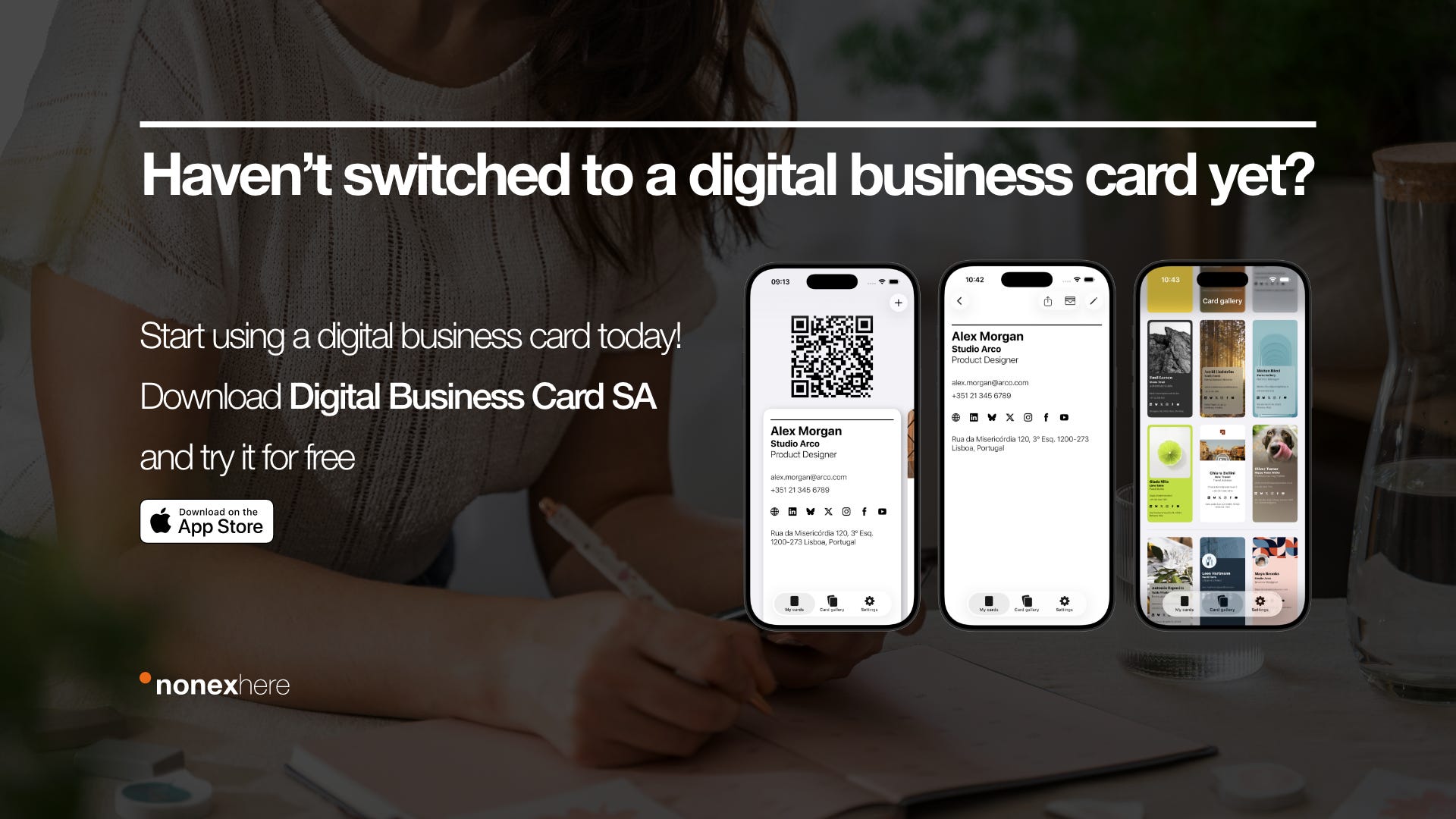
If you’re exploring digital business card tools, you can try Digital Business Card SA for free and see how it fits into your workflow.
Conclusion
The rise of the digital business card reflects a broader shift in how professionals connect, communicate, and build relationships. As work becomes more mobile and global, the need for flexible and reliable contact sharing tools continues to grow.
Digital business cards offer a solution that aligns with this reality. They simplify how we share information, improve accuracy, and support a more dynamic form of professional identity. Whether through a QR business card, an online business card, or a dedicated business card app, the goal remains the same: making connections easier and more meaningful.
While traditional business cards still exist, their role is changing. Digital alternatives are not just replacing them, but enhancing the entire networking experience. They allow professionals to move faster, stay updated, and maintain stronger connections over time.
As you explore different tools and approaches, the most important factor is finding a system that fits your workflow. The best digital business card is the one that helps you connect confidently, share information effortlessly, and grow your professional network wherever you are.